





















How To Find Your Undertone For Foundation
When it comes to any good makeup look, the key is finding the right base makeup that not only matches your skin tone, but has the right undertone. Have you ever been shopping through your local pharmacy or department store, trying on testers on the back of your hand and not sure why each shade either looks too pink or too orange? This may be because you're a neutral undertone and you're looking at the wrong shades. Don't worry, we've all been there!
There are a few simple techniques you can use to help you find your undertone. But firstly...
What Exactly Are The Different Undertones?
Skin undertones fall into three categories: cool, warm, and neutral.
Unlike your surface skin tone, your undertone remains consistent throughout your life. Skin undertones are the colours that lie beneath the visible surface of our skin and give our skin its unique character and depth. Understanding your undertone is the secret to finding a base that truly works with your skin. Get it right and everything looks more natural, more even and more you.
The three undertone categories are distinguished by:
- Cool: characterised by pink, red or blue hues.
- Warm: characterised by yellow, peach or gold hues.
- Neutral: a balance of both cool and warm tones.

It's worth noting that undertone has no relationship to how light or dark your complexion is. Someone with a deep skin tone can have a cool undertone, and someone very fair can be warm. That's why we have some handy techniques to make it easy!
How To Find Your Skin Undertone For Makeup
The most reliable ways to identify your skin undertone at home are the white paper test, the vein test, the sun exposure test, and the jewellery test - or you may wish to use a combination of two or more to give you the most accurate results.
Our favourite techniques for finding the right undertone for your makeup are:
- The White Paper Test
- The Sun Exposure Test
- The Vein Test
- The Jewellery Test
The White Paper Test is one of the quickest ways to get a read on your undertone. Simply hold a bright white sheet of paper against your bare face in natural light. If your skin looks yellowish against the sheet, you're warm-toned. If you look pink, you're cool-toned. If you appear more grey or green, you're likely neutral.

The Sun Exposure Test involves reflecting on how your skin reacts to the sun. If you tan easily and rarely burn, you likely have a warm undertone. If you burn quickly and tan minimally, you're probably cool-toned. The same type of melanin that determines your undertone also influences how your skin reacts to the sun. Research published in the Journal of Investigative Dermatology found that skin contains two types of melanin: eumelanin, which is linked to cool undertones, and pheomelanin, which is linked to warm undertones (Thody et al., 1991). Eumelanin offers stronger protection against UV rays, which is why cool-toned people tend to burn more easily, while warm-toned people are more likely to tan.

The Vein Test involves looking at the veins on the inside of your wrist in natural light. Blue or purple veins suggest a cool undertone, green veins suggest warm, and blue-green veins suggest neutral. This one can be trickier depending on how visible your veins are, so it's best used alongside another method.

The Jewellery Test is perhaps the most straightforward. Simply consider whether silver or gold jewellery tends to suit you best. Silver and platinum jewellery typically complement cool undertones, while gold jewellery flatters warm undertones. If both look equally good on you, you're likely neutral.

Not only is it helpful to discover your skin undertone for foundation, but it can also guide your choices for lip colours and eyeshadows too. Check out some of our other blog articles that may be helpful below:
How to incorporate colour analysis into your makeup routine
What Shade You’d Be In Our NEW CC Cream
The right CC Cream shade is one that matches both your skin tone depth and your undertone. Together, these two factors determine how natural and seamless your base makeup will look.
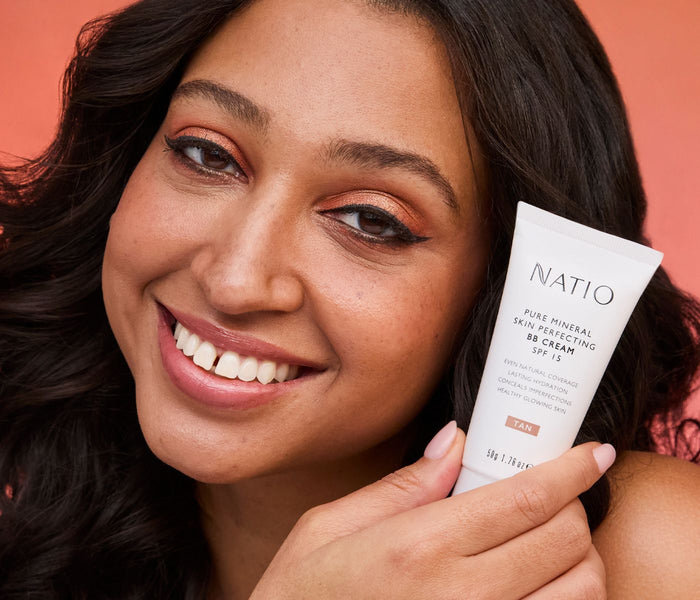
Our Dream Skin CC Cream has been designed to suit a range of skin tones and undertones, with 8 carefully developed shades that work with your natural complexion. By understanding each shade's depth and undertone, you'll be able to find your perfect match with confidence, whether you're fair with neutral undertones or deep tan with warm bronze hues.

Finding your undertone doesn't have to be complicated. Whether you use the vein test, the jewellery test, or simply hold a white piece of paper up to your face, the key is to look for patterns across a couple of methods rather than relying on just one. Cool undertones lean pink, red or blue; warm undertones lean yellow, peach or gold; and neutral undertones sit somewhere in between. Once you know yours, everything from foundation to lip colour becomes a whole lot easier to shop for - plus, you'll be far less likely to end up with a shade that looks too pink or too orange on your skin!
If you're ready to put your undertone knowledge to the test, our Dream Skin CC Cream is your best starting point with eight shades designed to work with a full range of skin tones and undertones, so you can find your match with confidence.
Source: Thody, A.J., Higgins, E.M., Wakamatsu, K., Ito, S., Burchill, S.A. and Marks, J.M. (1991) 'Pheomelanin as well as eumelanin is present in human epidermis', Journal of Investigative Dermatology, 97(2), pp. 340–344.