
























How To Use Primer (And Which One Your Skin Actually Needs)
Before joining the Natio marketing team, I spent years applying makeup and skincare on clients as a makeup artist, and I can tell you the number one thing that separates a base that lasts from one that slides around by lunchtime has nothing to do with the products themselves. It all comes down to the application and what products you're pairing together. When I first started out (even with a genuinely good primer) my makeup application would still get patchy and only deliver a flawless application for a couple of hours, purely because of how I applied it or what kind of skincare and foundation I was layering underneath and over the top.
So, here's what I'd actually tell you to use (and do) if I was doing your makeup:
How Do I Use Primer?
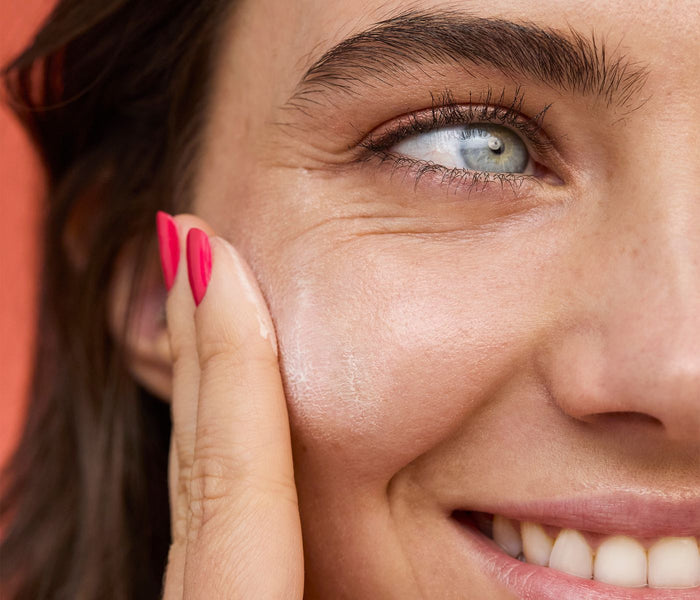
Apply primer only after your skincare has fully absorbed and before foundation, concealer or tinted moisturiser (this tip is really important). Use a pea sized amount for the whole face and pat it in rather than rubbing, working outward from the centre of the face. Give it a few minutes before you start on base makeup so it has time to grip, and choose a foundation formula that matches your primer's base so they work with each other rather than against each other.
The part most people skip is pairing compatible products and the patience, which is where most of the "my primer doesn't work" complaints actually come from. Trust me, I've trialled and tested this over many years.

Where Primer Sits In Your Routine (And Why Timing Matters)
- Cleanse: Whatever cleanser you're using, ensure to properly remove any excess oil and sebum build up on the face before beginning your makeup application.
- Moisturise: Give it a proper few minutes to settle (not just feel dry to touch) before going in with your primer. This is the key!
- Prime: Once your skincare has fully absorbed into the skin, apply your primer and let it sit for a few minutes before going in with your base application.
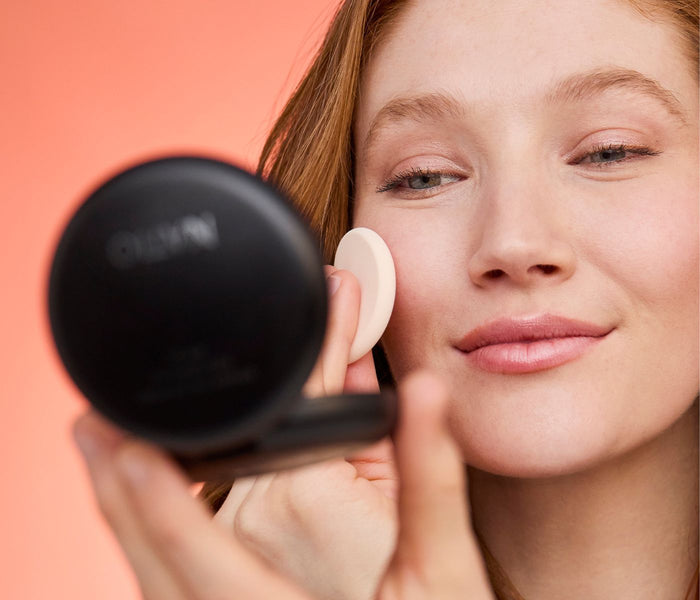
- Base makeup: Put this on last either applied with a sponge or a makeup brush using light stippling or dabbing motions rather than swiping. Swiping motions will simply cause your makeup to slip and slide about, no matter how good your primer is.
Most slippage or pilling I've seen on clients traces back to skipping the wait time somewhere in their routine. Every layer needs a moment to settle before the next one goes on, or nothing has anything stable to grip onto.

Why Your Foundation Needs To Match Your Primer
This is the step almost nobody tells you and it's the one that makes the biggest difference!
Primers and foundations are generally built on either a silicone base or a water base, and mixing the two is one of the most common reasons your makeup pills, separates or slides around no matter how well it was applied.
Silicone based formulas glide over each other beautifully. A silicone-based primer under a water based foundation, or the other way around tends to fight instead, because the two textures don't grip.
The easiest fix is checking the first few ingredients on both products before you buy. If your primer lists a silicone (anything ending in "-cone" or "-siloxane") near the top, reach for a foundation with the same. Our Dream Skin CC Cream is a silicone based formula, which makes it a safe pairing with a silicone primer if that's what you're using underneath.
Worth noting, this matching rule only really applies between your primer and foundation, because that's where two products need to grip each other all day. Your skincare underneath doesn't need to match your primer's base. It just needs to be lightweight and fully absorbed before primer goes on.
Can You Use Too Much Primer?
Yes, and it's one of the fastest ways to undo an otherwise good application. More primer doesn't mean more staying power. Once you go past that pea sized amount, the excess has nowhere to go and sits on the surface of the skin, which is exactly what causes foundation to slip, slide and separate later in the day rather than wear evenly. Less is more here, you can always build coverage with foundation afterwards, but you can't undo an overprimed base (and yes, there is such a thing).
What's The Best Primer For Oily Skin?
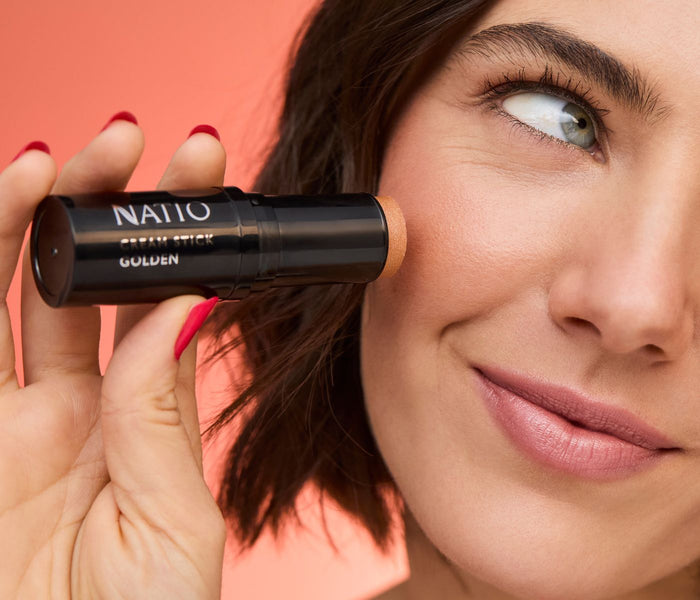
Oily and combination skin needs a primer that will work on oil control, not just a smoothing formula. Our new Quick Stick Priming Balm is built specifically for this, with a charcoal core that absorbs oil and mattifies without the stiff, over-primed feel some oil control formulas leave behind. Niacinamide and tea tree work on congestion underneath while it blurs pores and fine lines on contact.
The stick format is also the more professional choice for touch ups. A quick swipe over the T-zone mid-day doesn't disturb the base underneath the way patting on a cream for reapplication can. It's the perfect 2-in-1!

What About Texture Or Fine Lines?
If pores, unevenness or fine lines showing through your base are the actual issue rather than oil, our Silk Screen Smoothing Primer is the better call. It's a 4-in-1 formula using silica's light scattering microspheres to blur imperfections immediately, while Vitamin A, Vitamin E and Squalane work on the skin itself over time.

Do You Need A Separate Primer For Under Eyes?
If fine lines or creasing under the eyes are your main frustration, then I would highly recommend it. The under eye area is thinner and moves more than the rest of the face, so a regular face primer often isn't built for that job. Our Line Erase Undereye Jelly is formulated specifically for this area, with a translucent jelly texture that blurs fine lines while Hyaluronate hydrates and plumps and Centaurea Cyanus helps calm the skin. Pat a small amount on with your ring finger before concealer, or wear it on its own on a no makeup day.

Should You Set Primer Afterwards?
For longevity, absolutely! Our Airbrush Effect Finishing Powder comes with its own brush and sets makeup for all day wear while keeping that same soft, blurred finish rather than flattening it out. Use the built-in brush with a light sweeping motion to dust the powder over the skin. Light motion is important here so you're not disturbing the base you've just built underneath.

Building The Full Routine
Now, if you want a completely flawless and finished base, here's how I'd build your routine with skincare that actually sets your primer up to succeed:
- Hydrate: Use our Rosewater Hydration Antioxidant Serum, a lightweight formula that fully absorbs rather than sitting on the surface where it could interfere with your primer later.
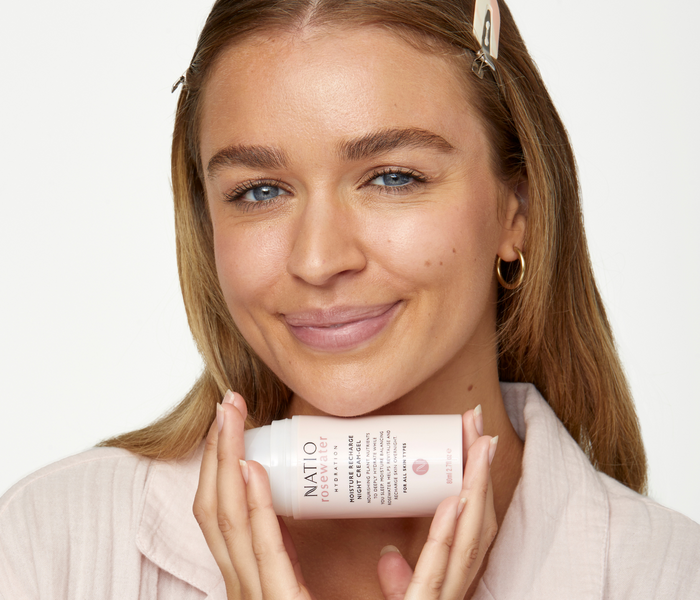
- Moisturise: Follow with our Rosewater Hydration Moisture Boost Day Cream-Gel, a light gel texture that sinks in quickly, and give it a few minutes to settle properly.
- Prime: Depending on your needs, use Silk Screen Smoothing Primer or Quick Stick Priming Balm and let it sit for a few minutes.
- Under eyes: Pat on our Line Erase Undereye Jelly to blur fine lines before any concealer goes on.
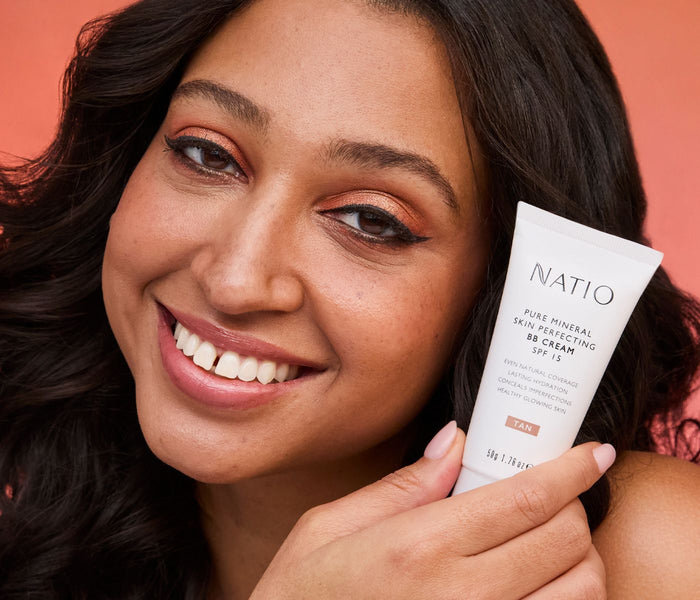
- Base: Use a foundation that matches your primer's formula base, such as our Dream Skin CC Cream if you're working with a silicone primer, applied with a sponge or brush in stippling motions.
- Set: Lock in your base with our Airbrush Effect Finishing Powder.

The Mistakes To Avoid
If there's anything you take from this article, remember these key tips:
- Too much product - A pea sized amount does the job. Excess just sits on the surface and causes slipping, sliding and separation.
- Not waiting long enough - Between each skincare step, and again between primer and base, rushing any of it is the most common cause of movement later.
- Mismatched formulas - Pairing a silicone primer with a water based foundation, or a water based primer with a silicone foundation, is a common cause of pilling that has nothing to do with application technique.
- Swiping instead of stippling - Dragging a brush or sponge across a primed base disturbs everything underneath. Dabbing or stippling keeps it intact.
Good primer technique is about paying attention to the order of your routine, the timing and the pairing. Let every layer settle before the next, use a light hand, match your formulas and apply your base with a stippling motion rather than a swipe, and the rest takes care of itself.
For the ultimate flawless base, you can shop the full Natio Blur range here.