



















How Long Does Makeup Really Last? Handy tips for Flawless Results
We all have that one makeup product we’re emotionally attached to. The perfect mascara. The blush that just works. The foundation that carried us through countless days. But as much as we love our beauty staples, nothing lasts forever, and using makeup products past their prime can affect both performance and your skin health.
Here’s my go-to guide for how long some of the high frequency cosmetic products last, when to replace them, and how to keep everything in tip-top condition.
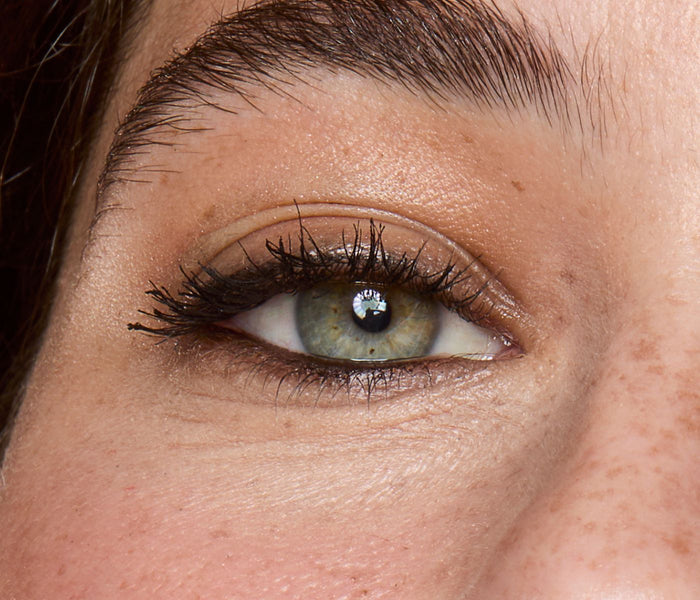
Mascara
How long it lasts: 3 months
Mascara has one of the shortest shelf lives in your makeup bag. The wand goes in and out of the tube daily, introducing air and bacteria, and the liquid formula is the perfect breeding ground for germs.
Using mascara longer than three months increases your risk of eye irritation or infection and no lash look is worth that.
Signs it’s time to retire your mascara:
- It smells different
- The formula becomes dry or clumpy
- It flakes more than usual

Pro tip: Never “pump” your wand in the tube — it pushes air inside and dries the formula faster.
Liquid Eyeliner & Cream Products
How long they last: Varies from 3–6 months.
Anything liquid or cream-based (gel liners, cream blush, cream shadows) should be monitored closely. If the texture changes, separates, or smells off, it’s time to replace it.
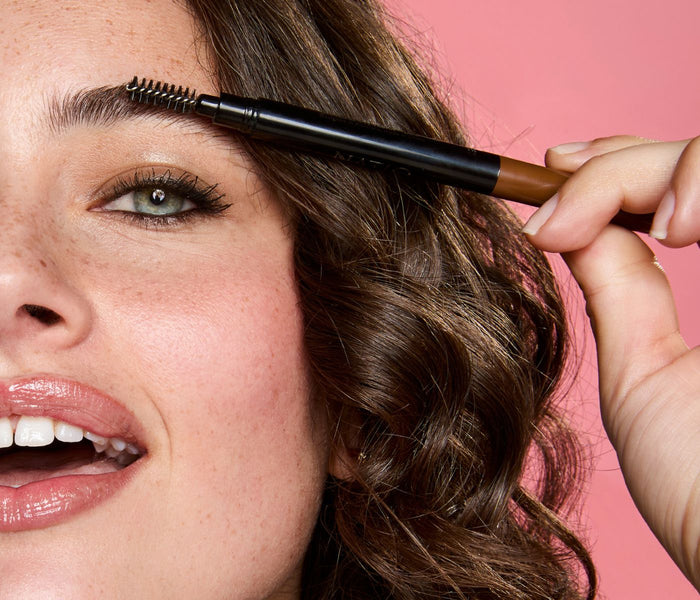
Pro tip: Always close lids tightly and avoid dipping fingers directly into pots — use a clean brush instead, closely refer to the period after opening (POA) as this will guide its longevity.

Foundation & Concealer
How long they last: About 6–12 months.
Liquid foundations generally last up to a year if stored properly. Pump bottles tend to stay fresher longer than open-neck bottles because they limit air exposure.
Time to retire if:
- It separates and won’t blend back together
- The colour changes
- The smell becomes sour
- It starts causing breakouts
Store foundation in a cool, dry place — heat and sunlight break down formulas faster.

Powder Compacts (Pressed Powder, Blush, Bronzer, Eyeshadow)
How long they last: Typically, 12–24 months
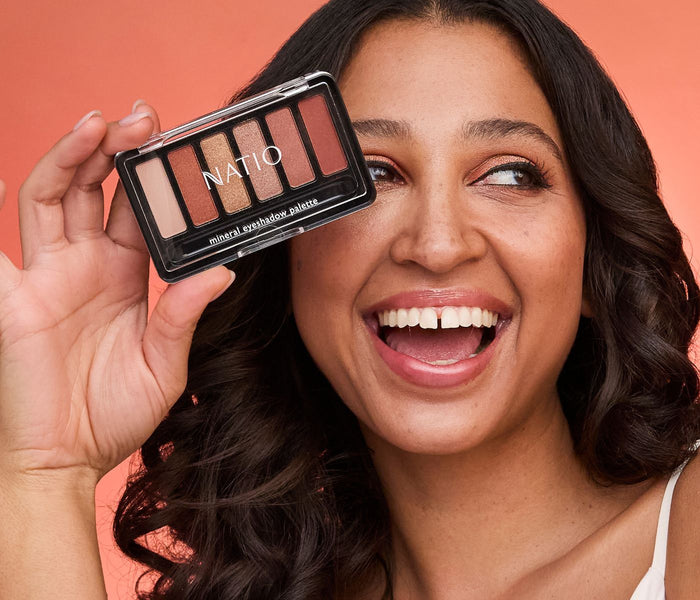
Powders last longer because they don’t contain water, making bacteria growth less likely. However, once you’ve hit the godet (the metal pan at the bottom), it’s often a good indication that it’s time to replace it — especially if performance changes or the powder becomes hard and less blendable.
Over time, oils from your brush can create a hard layer on top (called “hard pan”), making the product less effective.
Keep powders in top condition by:
- Using clean brushes
- Gently scraping off any hardened top layer if needed
- Keeping compacts closed tightly
Check out our Brush Cleaning Ritual: Winter Reset Blog which outlines exactly how to get the best from your brushes to keep your products and your skin in top condition.

Makeup Sponges (Beauty Blenders & Similar Tools)
How long they last: Typically 1–3 months, depending on use and care.
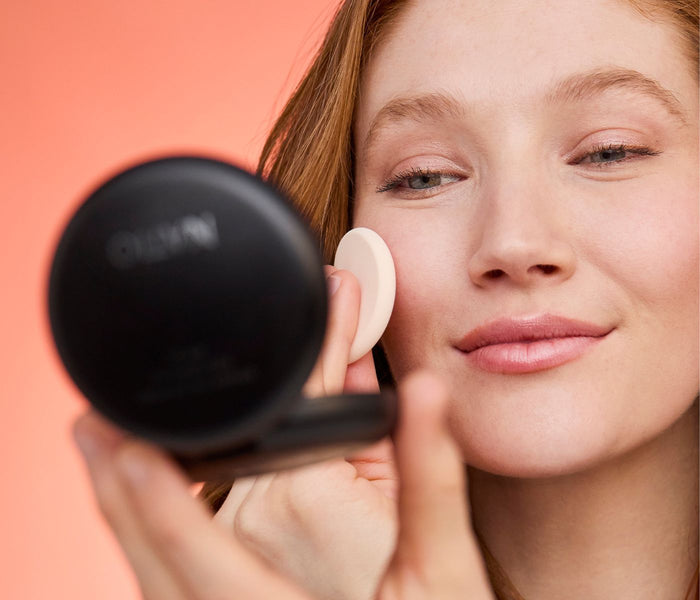
Makeup sponges are porous, which makes them amazing for seamless blending — but also a magnet for bacteria, oil, and old product. If your sponge starts to tear, crumble, smell, or won’t come fully clean, it’s time to let it go.
Keep them fresh by:
- Washing after every use (yes, really!)
- Using gentle soap or a dedicated sponge cleanser
- Squeezing out excess water and letting them air dry fully
- Storing them in a breathable space (not sealed in a makeup bag)
If you use your sponge daily, replacing it monthly is ideal for hygiene and performance.

Lipstick & Lip Gloss
How long they last:
- Lipstick: 12–18 months
- Lip gloss: 6–12 months
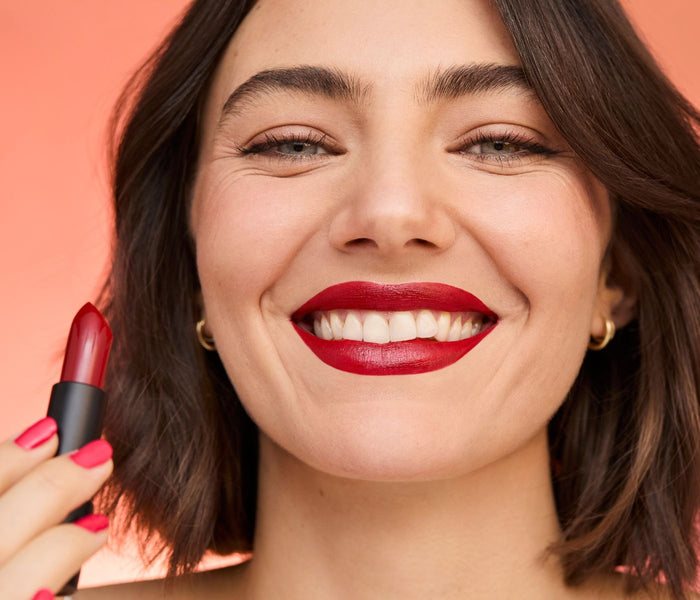
Lip products come into direct contact with your mouth, so hygiene matters. If a lipstick smells waxy or crayon-like, it’s past its best. Glosses should be replaced sooner due to the wand repeatedly touching lips and going back into the tube.

Makeup should perform beautifully and be safe for your skin. If something smells strange, looks different, or isn’t applying the way it used to — trust your instincts. Fresh products not only protect your skin and eyes but also give you better results.
A good rule of thumb? When in doubt, throw it out.
Your skin (and lashes) will thank you.