























lactic acid
What Is Lactic Acid?
Lactic Acid is a naturally occurring alpha hydroxy acid (AHA) originally derived from milk and now commonly sourced from fermented plant sugars. Widely celebrated in lactic acid skincare for its unique combination of gentle exfoliation and skin-quenching hydration, it smooths, brightens and renews the skin without the harshness sometimes associated with stronger acids. Learn more about incorporating it into your routine in our Brighter, Glowing Luminescent Skin Awaits blog article.
What Does Lactic Acid Do for Skin?
Lactic acid properties give it a dual action that sets it apart from other exfoliants. As a mild AHA, lactic acid for skin encourages cell turnover, lifting away dull, dead skin cells to reveal a fresher, more radiant complexion while refining texture and reducing the appearance of fine lines, uneven tone, and congestion. As a humectant, it simultaneously draws moisture into the skin to plump and soften the surface. Lactic acid benefits for skin are therefore both exfoliating and hydrating, improving the look and feel of skin over time without compromising comfort.
What Skin Types Is Lactic Acid Good For?
Lactic acid benefits make it particularly well suited to sensitive or dry skin types who want effective exfoliation without irritation. Its gentler action compared to stronger AHAs means lactic acid skin products are a great entry point for those new to acid exfoliation, while still delivering meaningful results for more experienced skincare routines.
When Should You Use Lactic Acid in Your Skincare Routine?
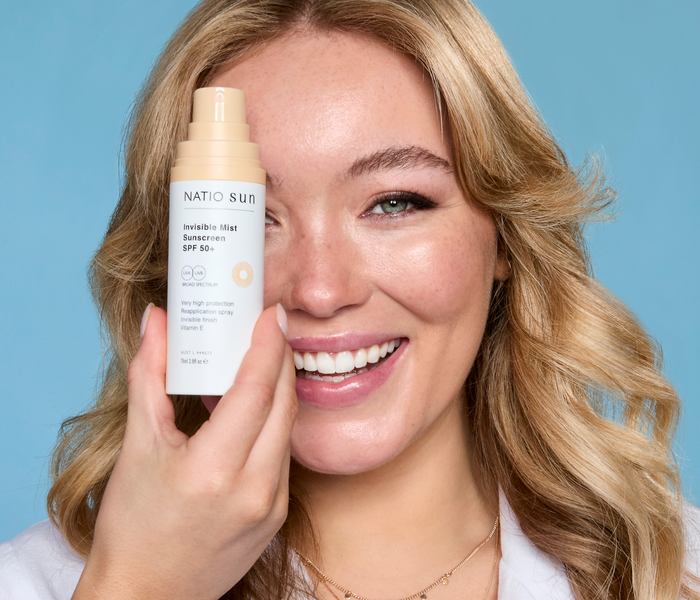
Lactic acid skincare is most commonly found in masks, toners, and serums formulated to revitalise tired or uneven skin. The Glow Multi-Action Exfoliating Concentrate harnesses lactic acid for skin to deliver smoother, brighter results in one step. As with all AHAs, lactic acid is best used in the evening to avoid potential sensitivity to sunlight, and daily SPF is recommended when incorporating it into a routine.
Is Lactic Acid safe for sensitive skin?
Yes, its gentler exfoliating action and humectant properties make it one of the most well-tolerated AHAs, and a popular choice for those who find stronger acids too irritating.
How is Lactic Acid different from Glycolic Acid?
Both are AHAs, but Lactic Acid has a larger molecular size, meaning it penetrates the skin more slowly and gently, making lactic acid skin products a milder alternative that still delivers effective exfoliation and brightening.
Do I need to use SPF when using Lactic Acid?
Yes, as an AHA, lactic acid for skin increases photosensitivity. Daily sunscreen is strongly recommended to protect skin and maintain results.


